
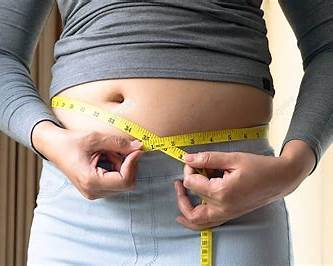
Menopause & Belly Fat.
Follow Us:

Featured Articles
Insights & Wisdom

Why Diets Stop Working After 50 (And What Works Instead)
Why Weight Loss Feels Harder During Menopause If you’re wondering why your usual diet no…

Cortisol, Stress, and That Stubborn Menopause Belly
How Stress Hormones Contribute to Menopause Belly Fat If you’re noticing stubborn belly fat after…
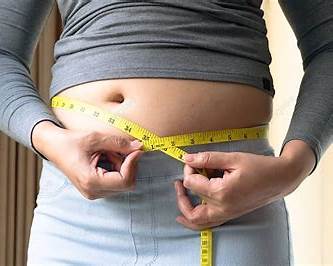
What Happens When Estrogen Declines During Menopause?
One of the biggest drivers of menopause belly fat is declining estrogen. As women move…
Success Stories
What They Say

Hormone specialists explain that declining estrogen changes fat distribution patterns in women after 50. Instead of storing fat in the hips and thighs, the body shifts toward abdominal storage — increasing visceral fat. Experts emphasize this is a biological transition, not a willpower issue. Supporting insulin sensitivity and maintaining muscle mass are key strategies recommended by medical professionals.
What Endocrinologists Say About Menopause Belly Fat
Exercise scientists consistently highlight resistance training as the most effective tool for improving body composition during menopause. Studies show strength training preserves lean muscle, boosts resting metabolism, and reduces visceral fat. Experts caution against excessive cardio and extreme calorie restriction, which can elevate cortisol and worsen hormonal belly fat. Building muscle is considered foundational for metabolic health after menopause.
What Fitness Researchers Recommend After 50
Registered dietitians specializing in midlife health focus on blood sugar balance rather than calorie cutting. They recommend adequate protein intake, fiber-rich vegetables, and minimizing refined carbohydrates to improve insulin response. Experts also stress the importance of sleep and stress regulation, noting that elevated cortisol contributes to abdominal fat storage. Sustainable nutrition patterns outperform short-term diets for menopause weight management.
What Nutrition Experts Advise for Hormonal Weight Gain